A Flutter app, from prototype to app stores
A shared codebase for iOS and Android, an interface shaped around your users and integrations with your services. I design, develop and support publication of your Flutter application.
Freelancer based in Raismes, near Valenciennes, available for your mobile projects across the Hauts-de-France region and throughout France — in-person meetings possible in Valenciennes, Maubeuge, Lille and Cambrai.
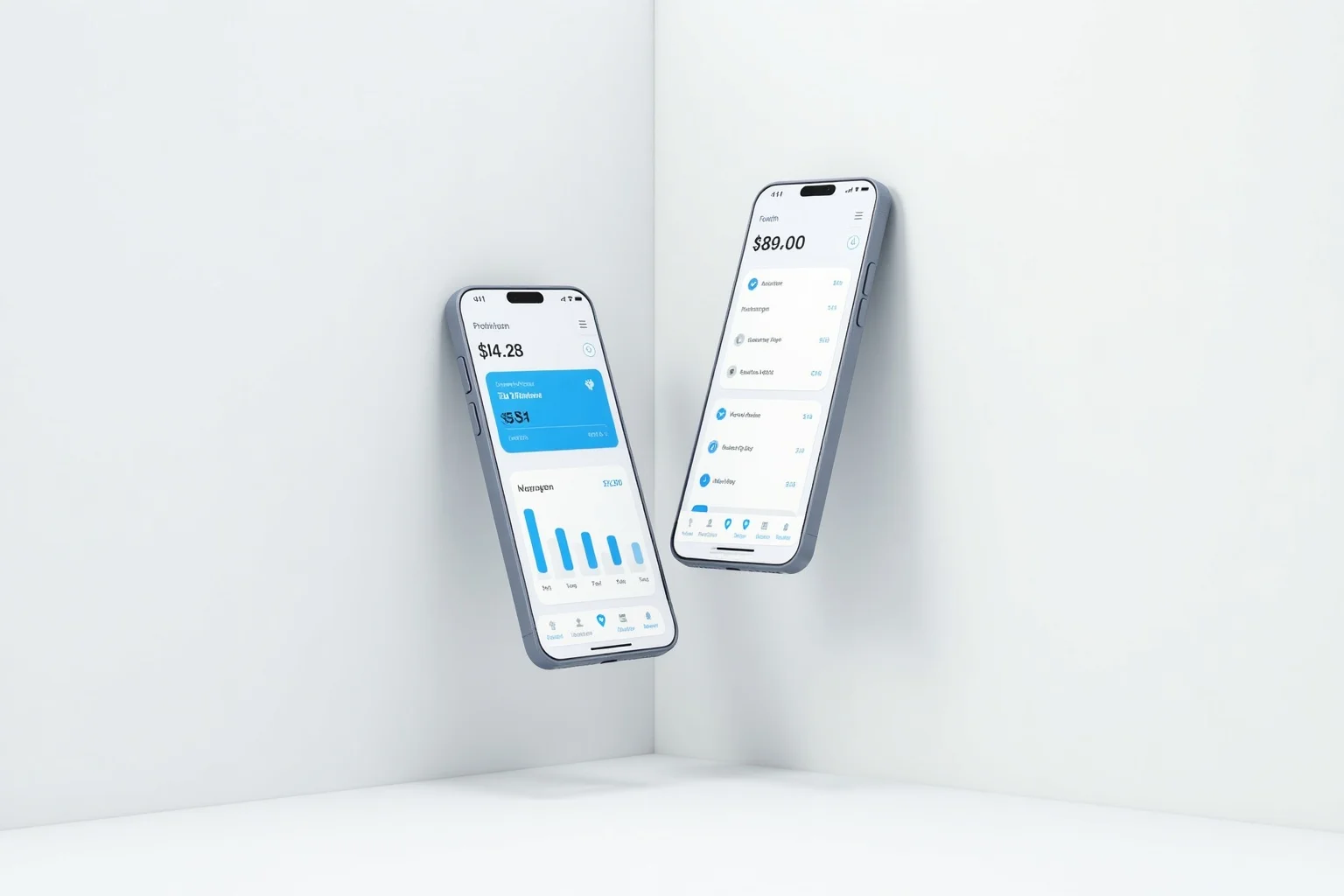
What I build
- Cross-platform mobile apps (iOS + Android)
- Polished, user-friendly UX/UI interface design
- Integration of REST APIs and back-end services
- Push notifications, geolocation, camera
- Deployment to the App Store and Google Play
- Post-launch maintenance and updates
- Testing on real devices
The stack
Shared code, choices adapted to each platform.
A single build
A shared codebase reduces duplicated development. Cost depends on iOS and Android-specific features, integrations, design and testing on each platform.
Flutter-rendered interface
Flutter draws its widgets through its rendering engine; they are not iOS or Android system controls. Smoothness and accessibility are checked on target devices.
Fast iteration
Hot reload helps check certain changes quickly during development. Prototype timing depends on scope, API access and the workflows to validate.
Deliverables at each stage
- Scoping: users, priority workflows, scope and API dependencies.
- Prototype: screens and validation of sensitive features on target devices.
- Delivery: sources, signed builds, acceptance record and store listing preparation.
- Handover: documentation, publishing procedure and agreed maintenance scope.
Explore Judo Progress, a personal offline Flutter project, and other completed applications.
Technical reference checked on 23 October 2026: Flutter architecture and rendering engine.
Frequently asked questions about mobile development
Why choose Flutter over React Native or native development? +
Flutter shares code across iOS and Android. Its engine draws the widgets, while platform integrations access phone services. The choice depends on workflows, required SDKs and performance constraints; a prototype can verify sensitive points.
Will my app be available on both iOS and Android? +
Flutter can produce iOS and Android versions from a shared codebase. Platform features are tested separately; publication then depends on developer accounts and each store’s review process.
Do you handle deployment to the app stores? +
Yes, I handle preparation and submission to the Apple App Store and Google Play Store: generating signed builds, writing store listings, screenshots and tracking the review process.
Can the app work offline? +
Yes. Flutter can store data locally (SQLite, Hive, Drift) and sync with a server once the connection is restored. Offline mode can be built in from the design stage to match your business needs.